- Chaises de cuisine & salle à manger
- Canapés
- Fauteuils
- Fauteuils lounge
- Chaises
- Chaises cantilever
- Chaises et Tabourets de bar
- Tabourets
- Bancs & Chaises longues
- Poufs poires
- Chaises de jardin
- Chaises enfants
- Chaises à bascule
- Chaises de bureau
- Chaises de conférence
- Fauteuils de direction
- Pièces détachées
- ... voir tous les sièges
- Étagères & Armoires
- Bibliothèques
- Étagères murales
- Buffets & Commodes
- Meubles TV
- Caissons roulants et Meubles d’appoint
- Meubles de bar
- Garde-robes
- Petits rangements
- Pièces détachées
- ... voir tous les rangements












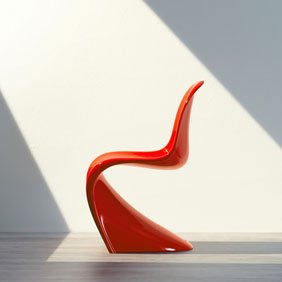
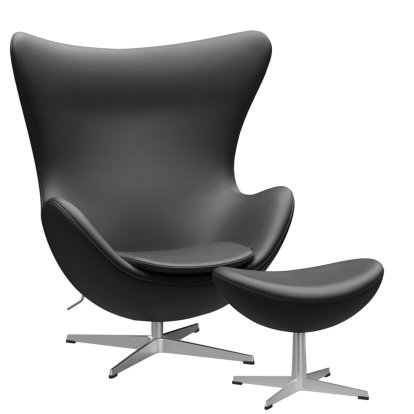
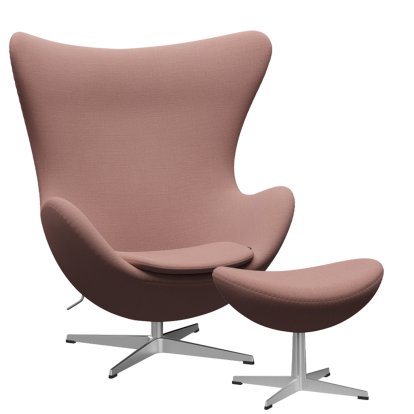
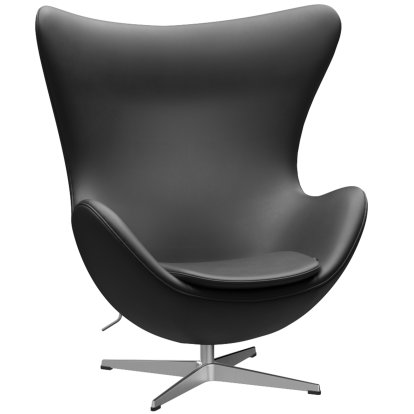
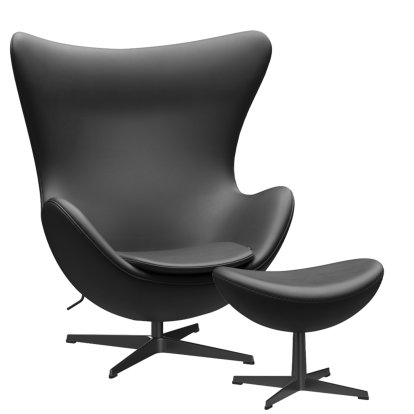
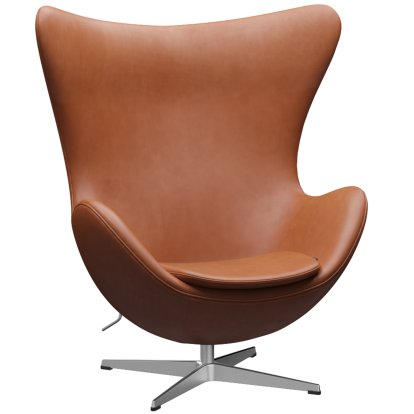
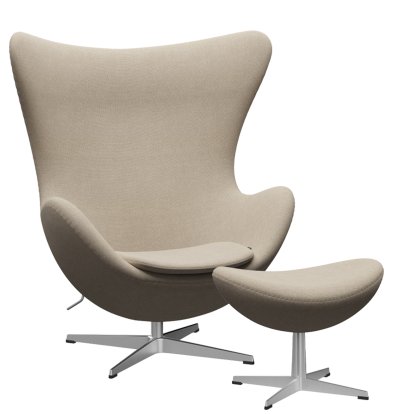
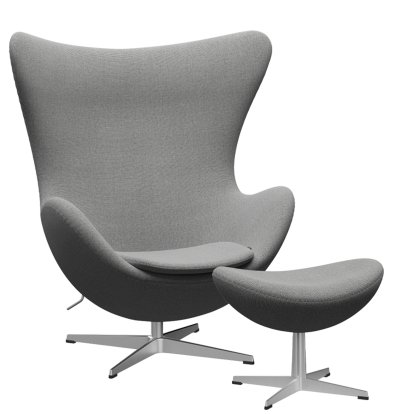
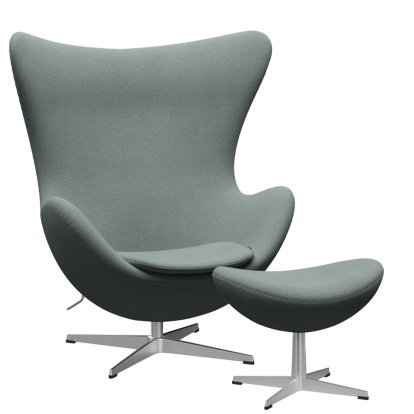
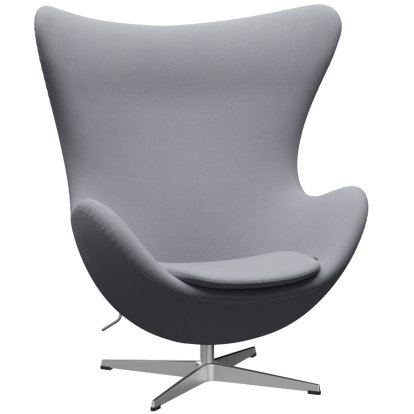
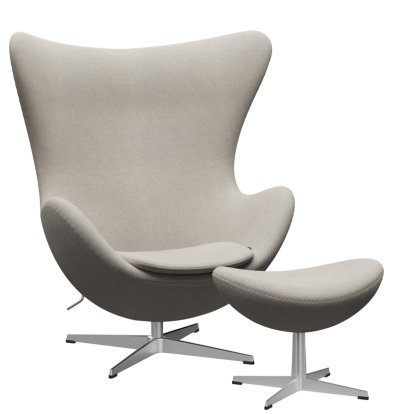
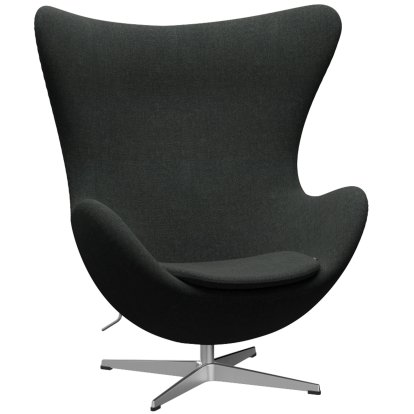
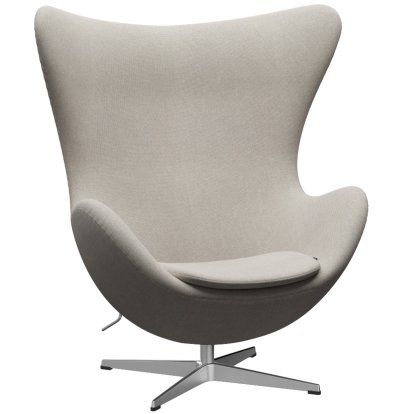
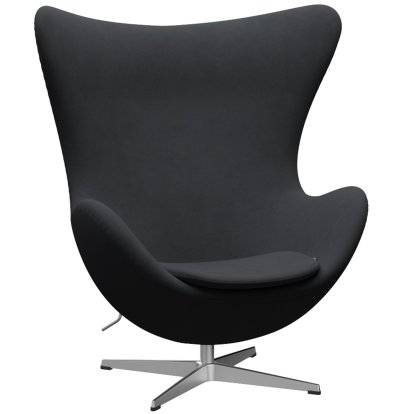
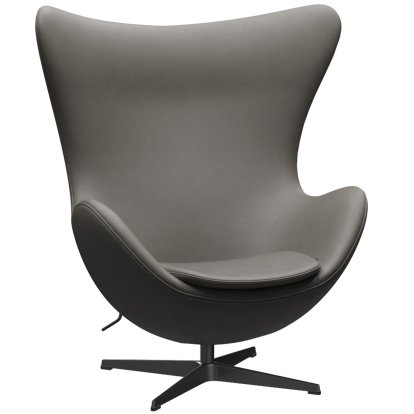
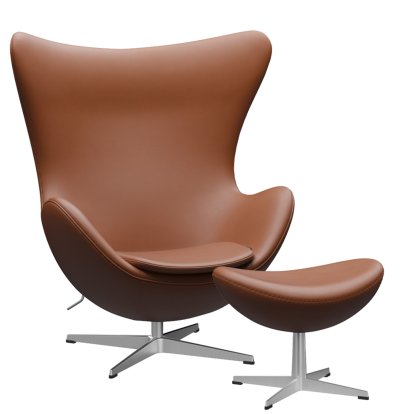
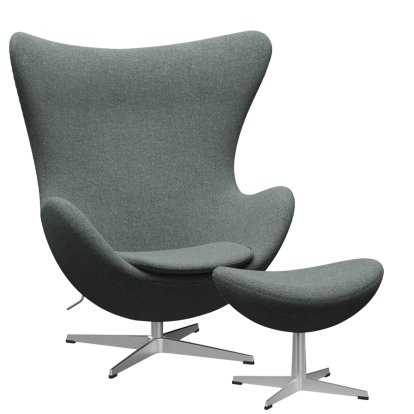
Fauteuil Egg (Oeuf)
de Arne Jacobsen, 1958 — à partir de CHF 7’480.00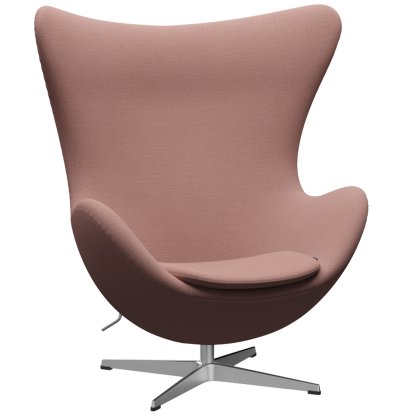
a été ajouté à votre liste de favoris

Cliquez ici pour plus d’images


Détails
| Type de produit | Fauteuil Lounge avec ou sans repose-pieds |
| Dimensions |  |
| Poids | Fauteuil : 20 kg Repose-pieds : 4,5 kg |
| Couleurs | Cuir Grace  Cuir Essential    Voulez-vous   Hallingdal      Re-wool      Christianshavn           |
| Matériaux | Revêtement cuir: Essential ou Grace Revêtement tissu: Hallingdal (70 % laine vierge, 30 % viscose), Christianshavn (85 % laine vierge de Nouvelle-Zélande, 15 % polyamide), Re-wool (45 % laine recyclée, 45 % laine vierge/peigné, 10 % nylon), Voulez-vous (70 % coton recyclé, 20 % polyester, 10 % autres fibres) Coque: plastique avec mousse pour rembourrage Piètement étoile: aluminium en fonte satiné et poli ou laqué noir Veuillez cliquer sur l’image afin d’obtenir les informations détaillées du produit (env. 26,6 MB). 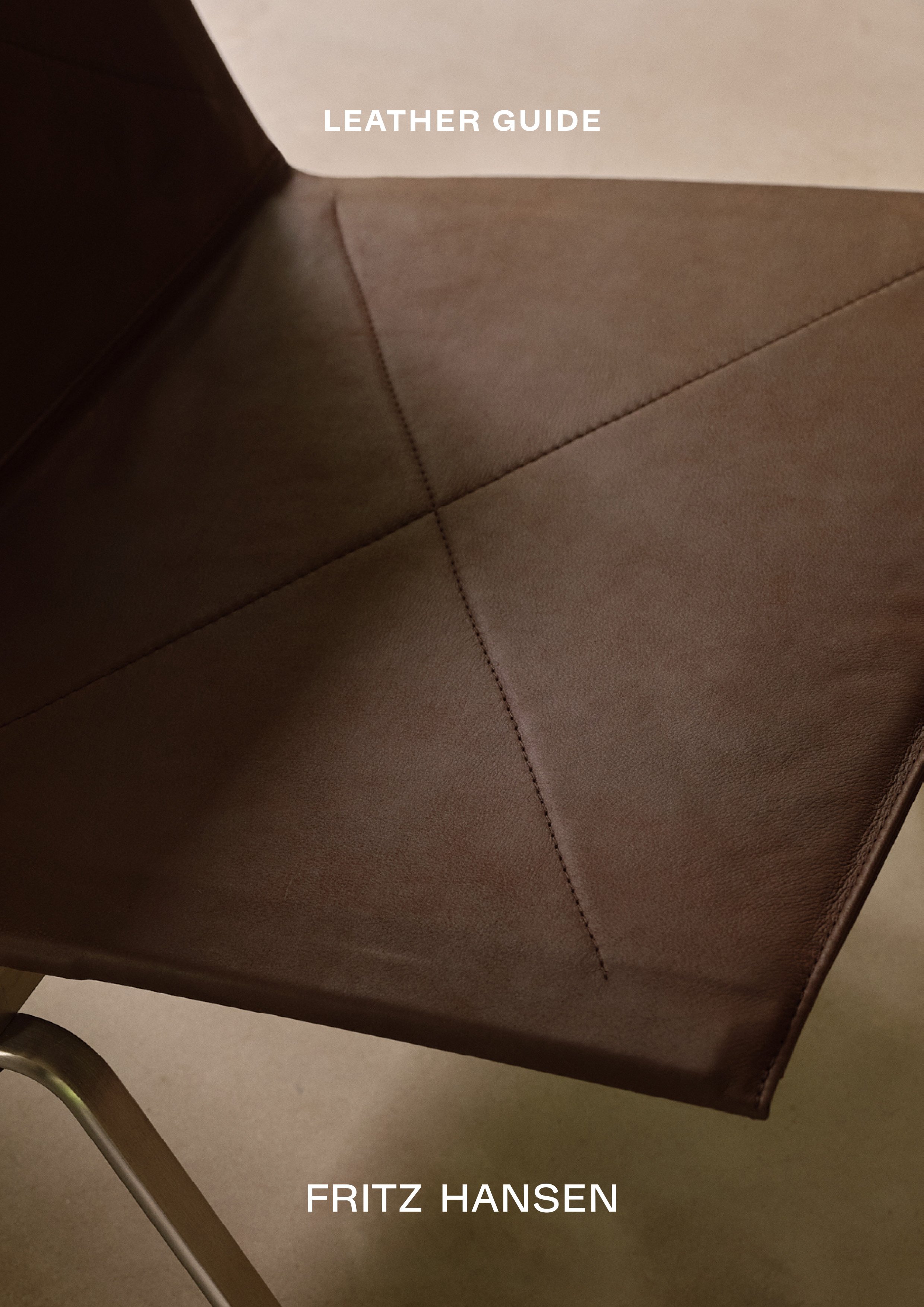 Veuillez cliquer sur l’image afin d’obtenir les informations détaillées du produit (env. 33,8 MB). 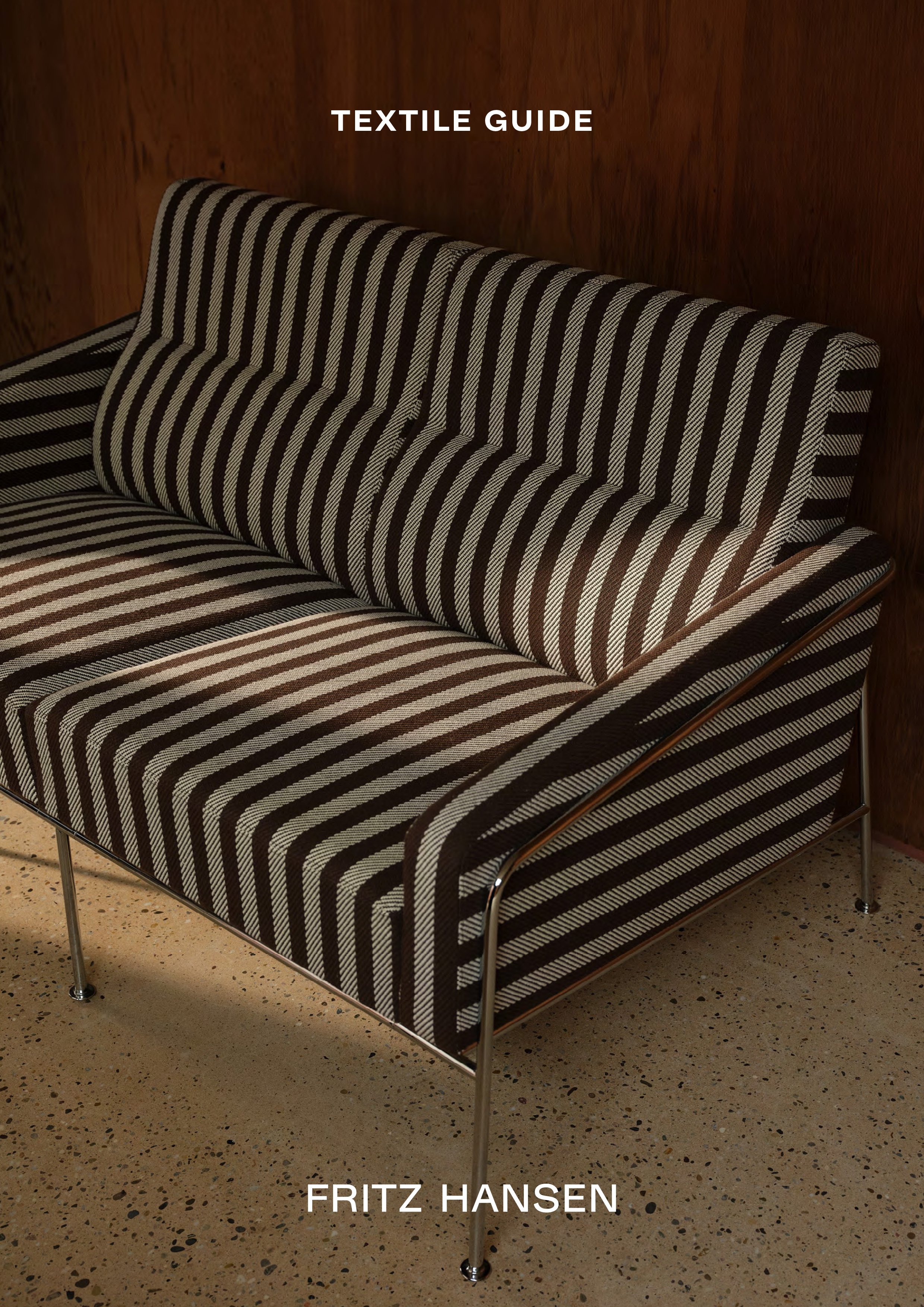 |
| Variantes | Également disponible en Egg Chair Anniversary Edition |
| Fonctions & Propriétés | Fauteuil: inclinable, pivotant |
| Contenu de la livraison | Fauteuil et au choix avec ou sans repose-pieds |
| Entretien | Cuir : Nettoyez la saleté en surface à l'aide d’un chiffon humide en veillant à ne pas détremper le cuir et à ne pas exercer de pression ponctuelle. Évitez également de frotter énergiquement. Nous vous conseillons d’utiliser un nettoyant spécial cuir sous forme de mousse ou de liquide. Pour éliminer les petites taches ou les marques de stylo à bille, utilisez de préférence une gomme incolore. Appliquez ensuite un produit d’entretien spécifique disponible dans les commerces spécialisés, afin de protéger le cuir contre le dessèchement. Absorbez immédiatement les taches liquides à l’aide d’un chiffon, et rincez avec un peu d’eau si nécessaire. Enfin, n’utilisez jamais de produit agressif comme des détachants, de la térébenthine, du cirage, etc. Tissu de revêtement : Les tissus nécessitent pour seul entretien d’aspirer régulièrement la poussière et les peluches à l’aide de l’embout correspondant de l’aspirateur. Pour éliminer les taches, une éponge absorbante qui ne peluche pas suffit généralement pour nettoyer immédiatement les taches fraîches. Frottez de la périphérie de la tache vers son centre afin d’éviter l’apparition d’auréoles. Nous recommandons pour cela l’utilisation d’eau distillée disponible dans le commerce, afin qu’aucune trace de calcaire ne se forme au séchage sur les tissus foncés. Dans le cas des taches tenaces, sèches et incrustées, brossez délicatement le tissu avec une brosse souple (par exemple une brosse à vêtements). En fonction de la nature de la tache, l’utilisation d’un solvant peut être nécessaire. Dans de tels cas, nous vous conseillons de demander l’avis d’un professionnel. |
| Certificats & Durabilité | Fritz Hansen teste et suit les normes environnementales certifiées : ISO PECF Chain of Custody RECS FSC® Chain of Custody GreenGuard |
| Garantie | 5 ans sur les défauts de fabrication Enregistrez votre fauteuil sur : fritzhansen.com/my-fh et profitez d'une rallonge de garantie. Pour cela, vous devez vous enregistrer dans les 3 mois suivants l'achat afin de bénéficier d'une extension de garantie : 5 ans sur le systéme d'inclinaison,la fonction pivotante, le mécanisme automatique de ressort (disponible en option), le tissu et le cuir basique 10 ans sur la structure, la coque et le cuir classique Les usures et dommages ordinaires sont exclus de la garantie! |
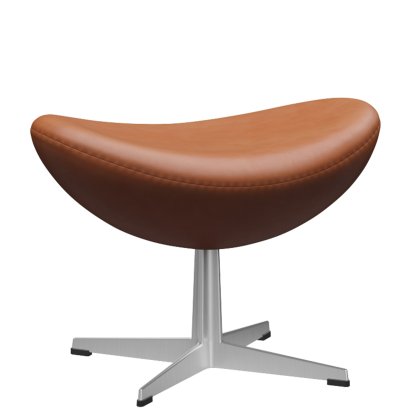
| Accessoires | Le repose-pied l'oeuf est aussi disponible séparément |
| Données & Détails du produit | Veuillez cliquer sur l’image afin d’obtenir les informations détaillées du produit (env. 0,8 MB).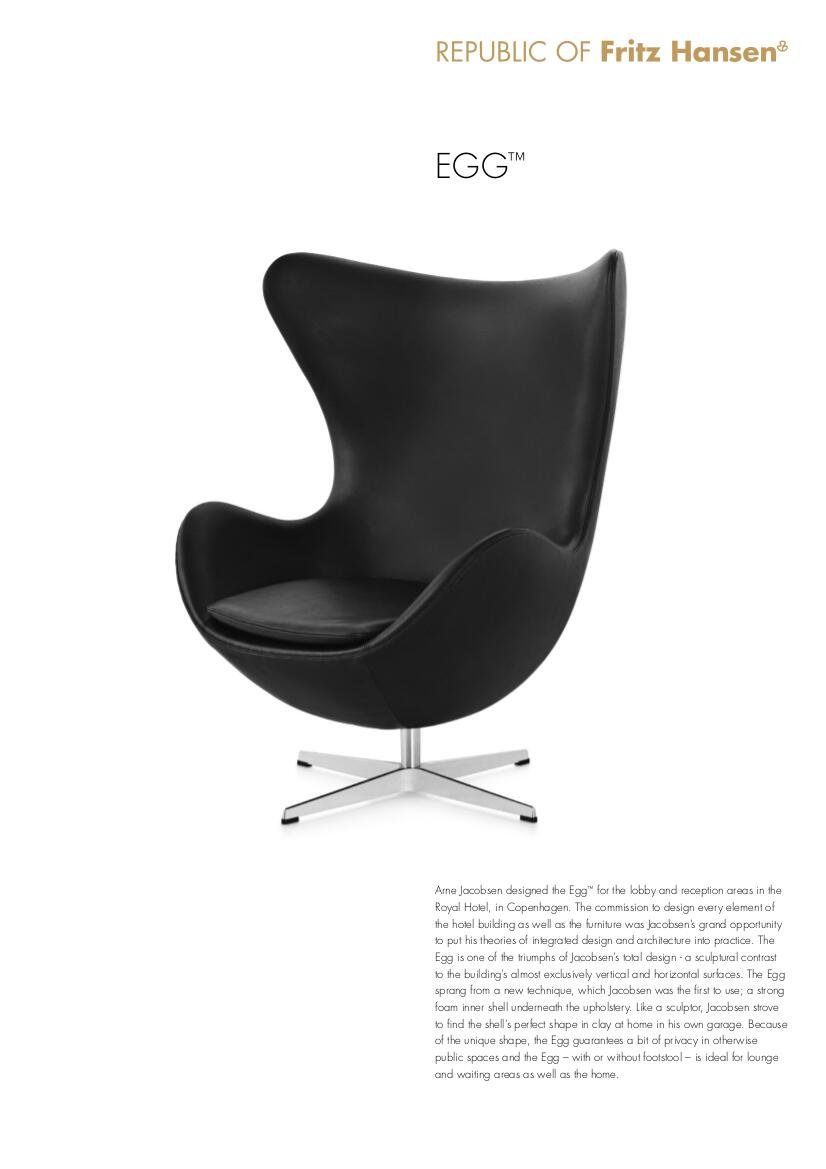 |
| Présentation produit |
Coups de coeur
Le design
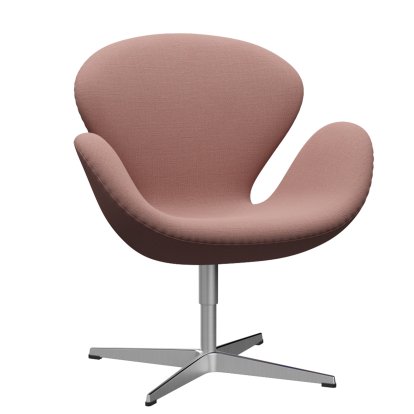
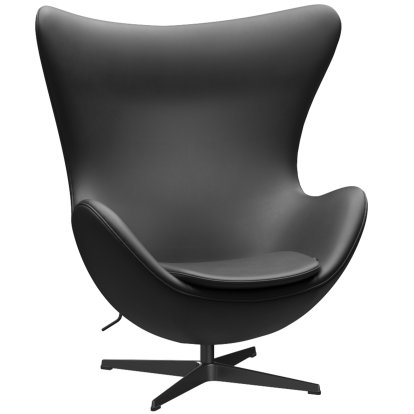
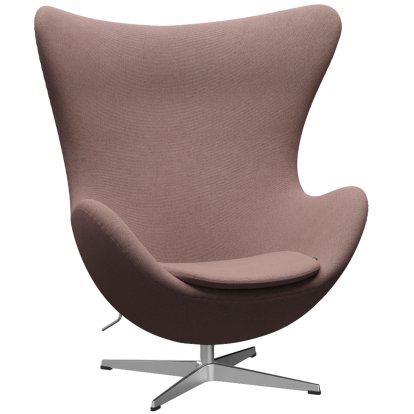
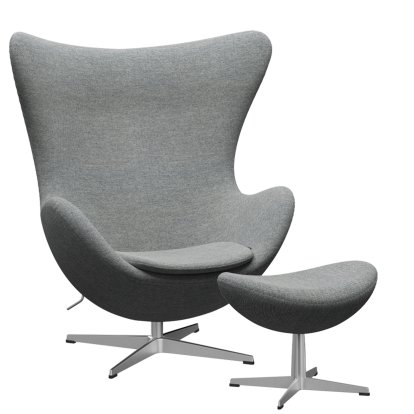
Le fauteuil Egg (Œuf), conçu par le designer Arne Jacobsen en 1957, tire son nom de la forme enveloppante de sa coque ressemblant à celle d’un œuf brisé. De par sa coque généreuse, il est possible de s’y lover dans plusieurs positions tout en ayant le sentiment d’être protégé. Les lignes courbes dessinant une forme organique n’ont pas été pensées au hasard. Effectivement, l’Egg Chair, comme que le fauteuil Swan du même créateur ont été imaginé pour le hall d’accueil et les chambres d’un grand Hôtel, le SAS Royal à Copenhague au Danemark. Il s’agissait ainsi de créer, notamment à travers le mobilier, une ambiance et une atmosphère accueillante, intime et sereine, mais également chic et sophistiquée. Avec le fauteuil Egg, Jacobsen a su habilement répondre aux exigences en reliant en une et même coque, la surface d’assise, le dossier haut avec repose-tête et les accotoirs. Le design, homogène et esthétique évitant toute cassure de lignes, est synonyme de luxe et de noblesse. Le fauteuil Œuf se classe parmi les classiques de l'histoire du design devenant un symbole repris par les hôtels haut de gamme, les hautes administrations ainsi que dans des films et publicités.
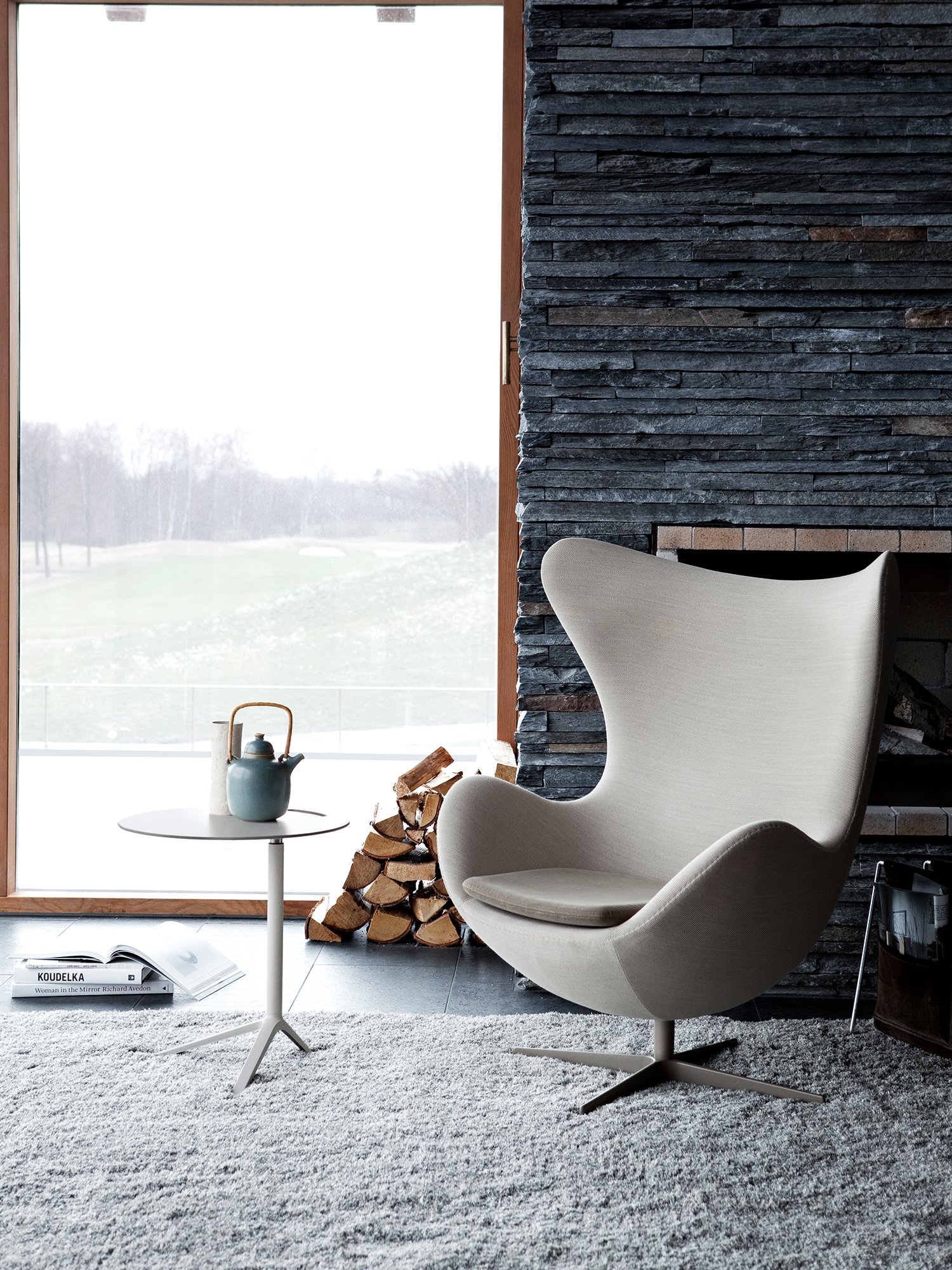
Fauteuil Egg dans le salon
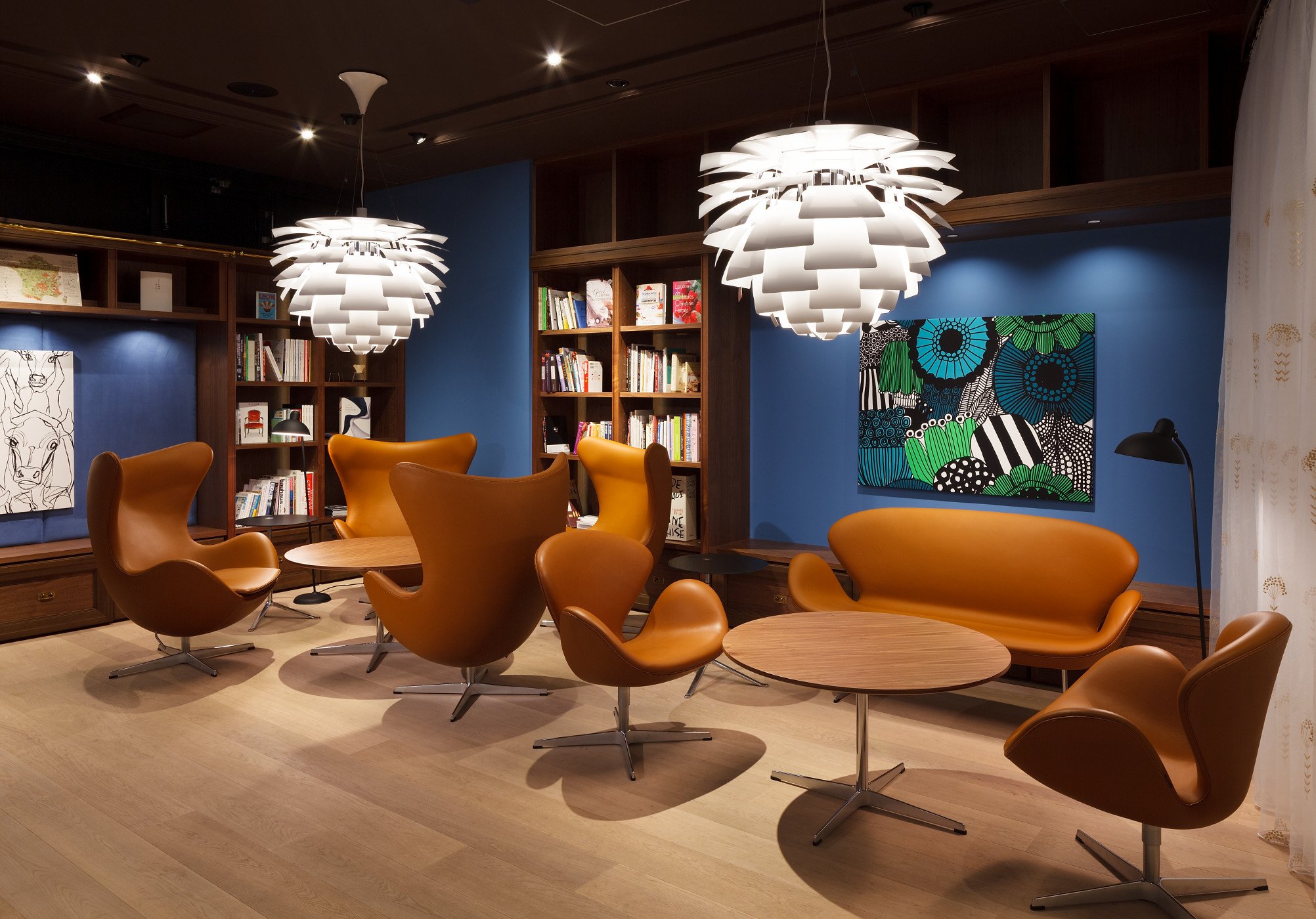
Ambiance au design scandinave avec fauteuil Egg, Swan et suspension Artichoke
Fabrication
Aujourd’hui produit par le fabricant Fritz Hansen, les premiers prototypes du fauteuil Egg furent réalisés dans le garage du designer. Jacobsen expérimente alors manuellement le procédé de moulage à partir de gypse et de plastique lui permettant de générer des formes organiques et sculpturales. L'armature du fauteuil est réalisée en acier et accueille une coque en polyuréthane renforcé de fibres de verre puis recouverte d’une mousse. Le revêtement, à l’origine en cuir et à présent également disponible en divers tissus, demande une habilité manuelle de pose tellement précise que seule une main-d’œuvre qualifié peut la pratiquer. Ce savoir-faire artisanale aux finitions parfaites ne permet de produire que six à sept sièges par semaine et ce, de nos jours encore garantissant que chaque pièce est un produit unique. Un coussin d’assise a été ajouté au modèle original pour encore plus de confort. De plus, la chaise Fritz Hansen Egg Chair possède un système d’inclinaison réglable. Un numéro de série est estampillé sur l’acier du piètement pour certifier de l’authenticité du fauteuil comme un modèle original.
Designer
Arne Jacobsen, né en 1902 à Copenhague au Danemark est une figure importante de l’histoire du design moderne. Ce designer-architecte suit à des études à l’Académie Royale Danoise des Beaux-Arts où il en sort diplômé en 1927 et ouvre en 1930 sa propre agence. Connu et reconnu pour ses projets d'avant-garde concernant l’habitat, il se distingue tantôt comme architecte, tantôt comme décorateur, designer industriel, tapissier ou encore céramiste. Effectivement, sa vision du design est globale et, selon lui, un projet ne peut être une réussite que dans l'élaboration de ce type de pensée. Ses idées et réalisations lui vaudront même le surnom du Le Corbusier danois. Les chaises Jacobsen, ses plus grands succès en terme de mobilier sont en outre la chaise Ant dite aussi fourmi, la chaise Séries 7 ou 3107, chaise danoise la plus vendue et copiée au monde et enfin la chaise Oxford. Évidemment, la création du mobilier pour son intervention de design global pour l’Hôtel SAS Royal de Copenhague dont l’Egg Chair et la Swan Chair sont comme un tournant dans l’histoire du design. Arne Jacobsen décédera le 24 mars 1971 dans sa ville natale à Copenhague au Danemark.
Contexte historique
C’est dans les années 1958 et 1960 que fût édifiée l’une des réalisations majeures d’Arne Jacobsen : le mythique Hôtel Royal Radisson SAS de Copenhague. Y appliquant sa vision d’un design global, le bâtiment est conçu comme un tout de son architecture à son ameublement intérieur. Des chaises Swan, qui enchantent par leur design pop des années 1960, en passant par le textile d’ameublement, à l’éclairage avec les lampes AJ jusqu’aux couverts, tout est pensé dans les moindres détails afin que l'harmonie soit complète. Ainsi, un contraste intérieur/extérieur est créé entre les meubles aux lignes courbes et enveloppantes et les lignes droites horizontales et verticales des bâtiments de l'hôtel. Quant à l’intérieur, toutes les couleurs, les lignes et les formes forment un ensemble cohérent et harmonieux. L’hôtel Royal SAS a été rénové depuis sa création, mais la chambre 606, chambre témoin, a été conservée à l’identique. Le design danois représenté par Hans J. Wegner, Poul Henningsen entre autres est associé à un langage de formes généreux, organiques, naturelles et connait actuellement encore un vif engouement. Le fauteuil Egg représente par excellence le design développé par Arne Jacobsen posant les bases du modernisme organique scandinave. Près de cinquante ans après la création de l’Egg Chair, le fauteuil reste futuriste et représentatif d’un design ambitieux, sophistiqué, simple, cosmopolite et fonctionnel. Il n'est pas étonnant que le fauteuil Egg apparaisse régulièrement dans les films ou les spots publicitaires.
Fabricant
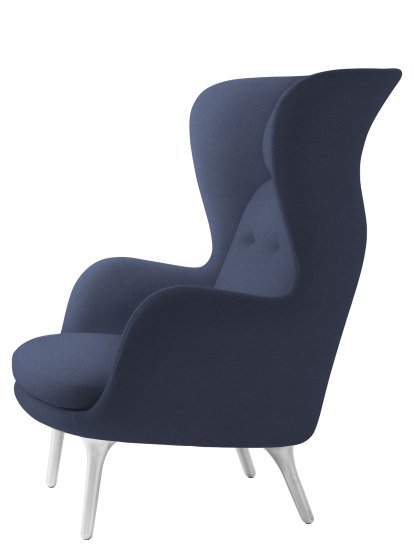
L’ébéniste Fritz Hansen a ouvert son premier atelier en 1872 à Copenhague et y commercialise ses propres meubles à partir de 1885. Le succès fut rapidement au rendez-vous et l’entreprise continue encore de croître depuis lors. Au cours de cette longue histoire, les collaborations avec des designers de renom se sont multipliées, mais la plus fructueuse reste celle avec Arne Jacobsen. Effectivement, il marque le design des années 1950, notamment avec ses chaises Série 7 et grâce à lui, la renommée de Fritz Hansen dépassa rapidement les frontières danoises. D'hier à nos jours, les formes audacieuses inspirées de la nature et la qualité des assises demeurent au centre des préoccupations du fabricant. Ainsi des modèles contemporains comme le fauteuil Ro le confirme brillamment. Depuis 1958 à nos jours, Fritz Hansen est l'unique fabricant des assises d’Arne Jacobsen et produit également le repose-pied qui complète le fauteuil Egg présentant la même forme organique. Ces dernières sont pour la plupart entrées dans la collection Design du musée Vitra près de Bâle en Suisse.
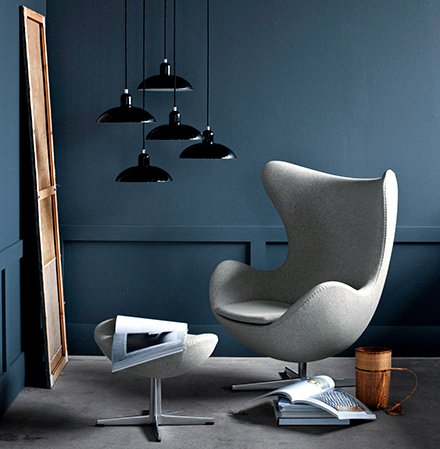
Fauteuil et repose-pied Egg
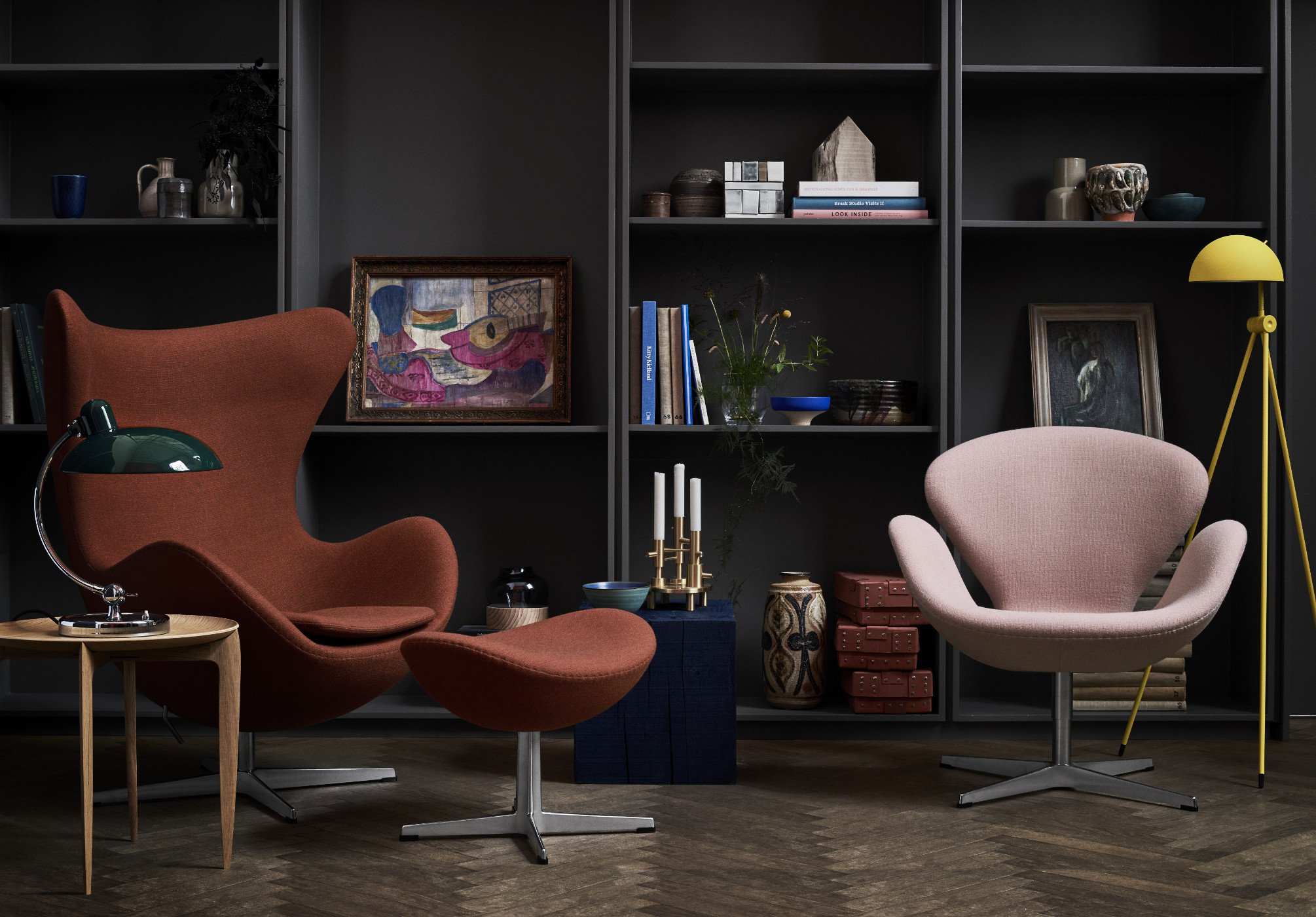
Ambiance Fritz Hansen
Accessoires
Vous aimerez aussi